


With art and words by Islay Arboleda, Editor.
In today’s cinematic ecosystem, the debate surrounding casting has shifted from a technical discussion into a battlefield of personal opinions. Recent productions that have chosen to explore diversity and the reinterpretation of iconic figures have faced a wave of criticism under labels such as «forced inclusion.» But, is it truly an imposition, or is cinema simply expanding its canvas to reflect the reality of the 21st century?
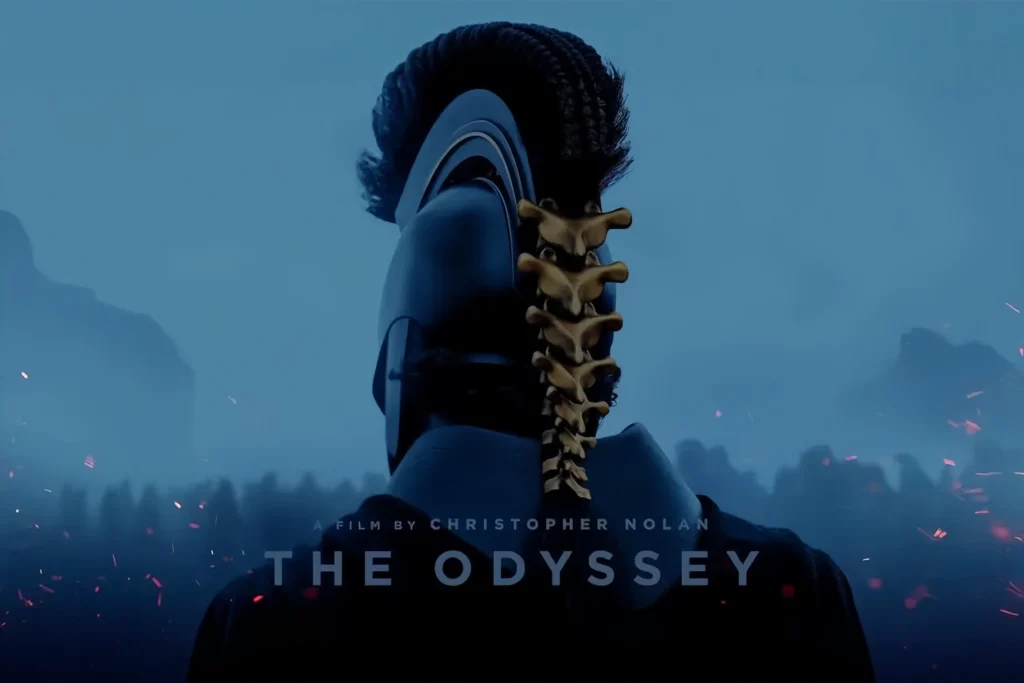
As a director and critic, I believe it is necessary to elevate this debate. Cinema, by definition, is not an immutable historical record; it is a living art that constantly dialogues with its present.
The center of the debate: Lupita Nyong’o and Elliot Page
Currently, two central figures have captured the spotlight in this debate: Lupita Nyong’o and Elliot Page. Their cases, though distinct, reveal the same symptom of resistance to change.
In the case of Lupita Nyong’o, the prejudice is disguised as «historical fidelity» when questioning her suitability for roles that, according to Eurocentric canons of the past, required a specific aesthetic. Here, the viewer’s error is confusing «classic beauty» with an absolute truth, ignoring that cinema is an exercise in reinvention where talent must take precedence over any aesthetic standard from the previous century.

On the other hand, with Elliot Page, the criticism becomes reductionist by focusing on his stature or personal identity. There is a worrying trend of judging the artistic value of a professional through his identity off-screen. However, cinema is the terrain where performers strip away their own selves to bring other characters to life. When the debate deviates toward personal aspects, the fundamental point is lost: the greatness of an actor resides in their capacity to disappear into the character they portray. Judging an actor by their identity is imposing personal limitations on an art that, by nature, should be free.

The Trap of Absolute Fidelity
Often, detractors cite classic literary descriptions—like golden hair or the features of mythological figures—as if they were unalterable physical laws. We must remember that when Homer wrote, he used metaphors appropriate to his context. Demanding that today’s cinema limit itself to a rigid illustration from 3,000 years ago is anachronistic; it turns the screen into a museum piece, depriving it of its capacity to transform our perspective.
The resistance to current productions that present diverse casts—integrating Afro-descendant talents and artists like Elliot Page naturally—demonstrates that the discomfort arises from seeing a cast that, finally, looks more like the real world. This diversity is not a continuity error; it is a historical correction. These actors are not invading a space; they are claiming the right to be part of the global narrative.
Biography or fiction?
We must distinguish between historical biography and creative fiction. If we film the life of Martin Luther King, his identity is part of the core of his story. But in fiction or in the reinterpretation of myths, the director has the creative freedom to choose who best embodies the essence of the character. A director’s vision should not be subjected to the judgment of canons from past decades, but rather to the coherence of the story they wish to tell.
Ultimately, cinema must be a space where interpretative capacity is the only valid criterion. Creative freedom is the essence of our industry: every actor, by virtue of being one, possesses the fundamental right to embody the character they are to portray. Their talent is the only necessary vehicle to bring a narrative to life. When we close the doors to diversity based on prejudice, we not only limit the professional opportunities of performers, but we also impoverish the art itself. If we allow talent—without restrictions of race, stature, or identity—to occupy its rightful place, we are not erasing history; we are ensuring that, in the future, no story is told without space for every actor to shine in their profession, giving themselves completely to the skin of their characters.













Deja una respuesta